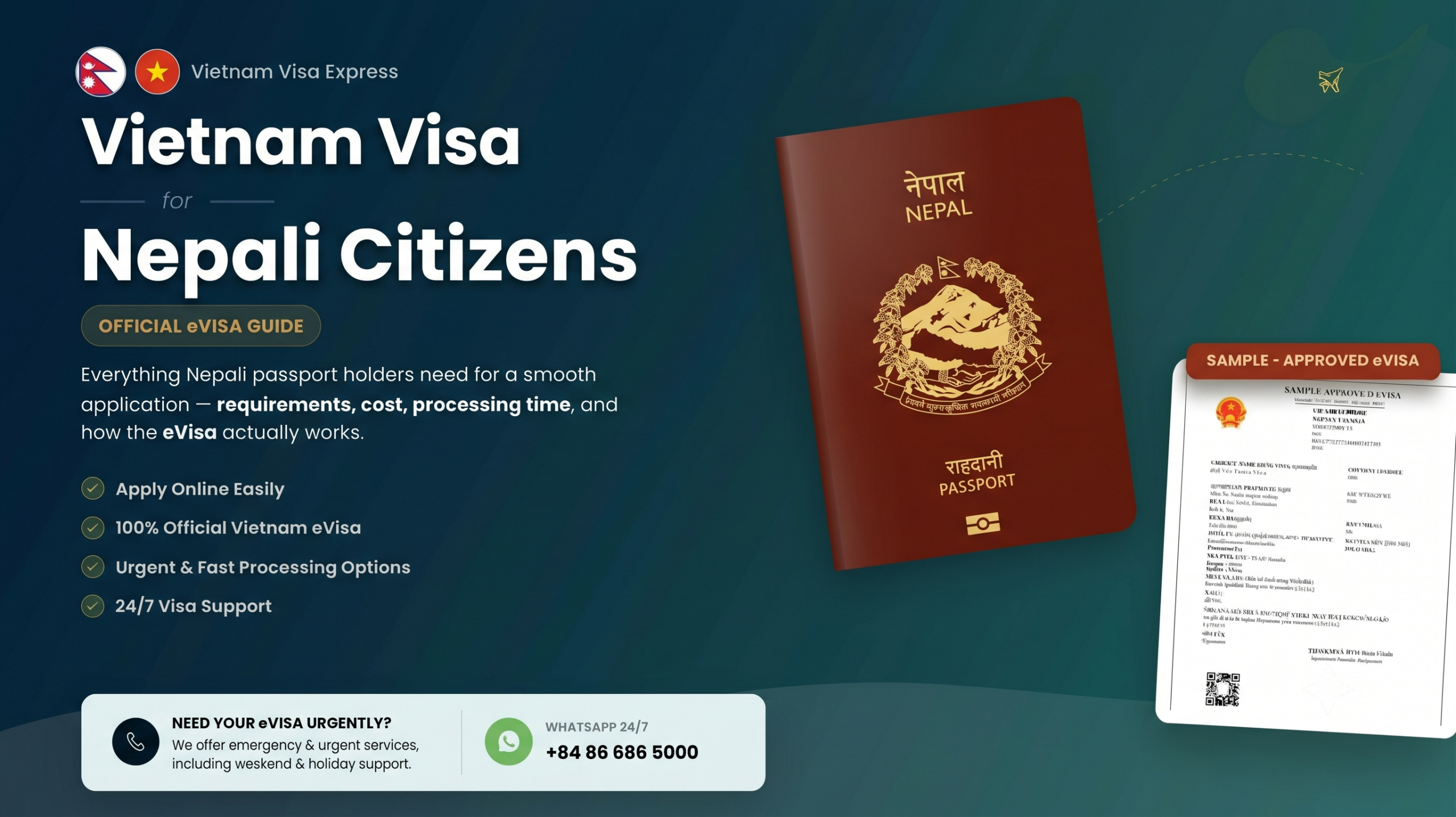
Nepali Citizens
Vietnam is a captivating destination for Nepali citizens, offering a combination of rich history, vibrant culture, beautiful landscapes, and memorable travel experiences. Before travelling, however, Nepal passport holders must obtain the appropriate Vietnam visa. This guide explains the Vietnam visa requirements for Nepali citizens, eVisa eligibility, application requirements, costs, processing times, entry points, and available expedited services.
Do Nepali citizens need a visa to Vietnam?
Yes. As of 2026, Nepali citizens need a visa to enter Vietnam. Whether travelling for tourism, business, or another permitted purpose, Nepal passport holders should arrange the appropriate visa before travelling to Vietnam.
For most eligible travellers, the Vietnam eVisa provides a convenient way to complete the visa application online before departure.
Can Nepali citizens apply for a Vietnam eVisa?
Yes. Nepali citizens can apply for a Vietnam eVisa online. The eVisa is a convenient option because applicants can complete the process electronically without visiting a Vietnamese embassy for a standard eVisa application.
A Vietnam eVisa may be issued for a stay of up to 90 days and may permit either single or multiple entries depending on the visa granted.
👉 Apply for a Vietnam eVisa online
Types of Vietnam visas available for Nepali citizens
Vietnam offers different visa options depending on the purpose of travel, duration of stay, and individual circumstances.
Vietnam eVisa
The Vietnam eVisa is the main online visa option for Nepal passport holders. Eligible applicants can submit their information and required documents online and receive the approved visa electronically.
Visa on Arrival
Visa on Arrival is not the standard option for ordinary eVisa travel. It may be available in qualifying emergency circumstances and generally requires prior arrangements and an approval letter before departure. Travellers who believe they require this option can review our Vietnam Visa on Arrival service.
Embassy visa
Travellers whose circumstances are not suitable for an eVisa may need to contact the relevant Vietnamese diplomatic mission regarding other visa options. You can also review our Vietnam embassy information.
Visa types based on purpose of visit
- Tourist Visa (DL): For eligible travellers visiting Vietnam for tourism purposes.
- Business Visa (DN1, DN2): For qualifying business-related travel.
- Relative Visit Visa (TT): For qualifying travellers visiting relatives in Vietnam.
eVisa duration and entry options
- Shorter stays within the approved visa validity period
- Up to 90 days
- Single-entry eVisa
- Multiple-entry eVisa
Vietnam eVisa requirements for Nepali citizens
Nepal citizens applying for a Vietnam eVisa should prepare the required information and documents carefully. Incorrect passport or personal information can cause delays or problems with an application.
- Valid passport: Prepare a valid Nepal passport and ensure the passport information entered in the application is accurate.
- Passport information: Enter your full name, passport number, nationality, date of birth, and other requested details exactly as required.
- Portrait photograph: Prepare a recent portrait image that meets the application requirements.
- Passport data-page image: Upload a clear image of the passport information page.
- Travel details: Provide the requested arrival date, intended entry point, address in Vietnam, and other travel information.
- Visa fee: Pay the applicable visa or service fee according to the application method selected.
Applicants should carefully check all information before submission, particularly their name, passport number, date of birth, nationality, and intended entry date.
Vietnam eVisa cost for Nepali citizens
For travellers applying directly through the official Vietnam Immigration eVisa system, the government application fees are:
- Single-entry eVisa: US$25
- Multiple-entry eVisa: US$50
Government fees are separate from any optional service or expedited-processing fees. Travellers applying independently can verify current official information through the Vietnam Immigration eVisa portal.
Vietnam Visa Express processing options and fees
Travellers who require assistance or faster processing can choose from the available Vietnam Visa Express service options below.
👉 Apply for a new Vietnam eVisa
👉 Expedite a pending Vietnam eVisa
Vietnam eVisa processing time for Nepali citizens
Processing time can vary depending on the application, the information submitted, demand, weekends, public holidays, and whether additional review is required.
Vietnam Visa Express also offers expedited processing options for travellers with urgent travel plans, subject to availability and the circumstances of the application.
Travellers should avoid waiting until the final day before departure to arrange their visa. Applying early provides additional time to resolve any application or document issues.
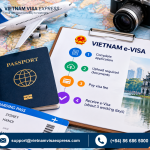
How Nepali citizens can apply for a Vietnam eVisa
- Start your application: Visit our Vietnam eVisa service page.
- Enter your information: Complete the application using details that match your passport.
- Upload the required images: Provide the requested passport data-page image and portrait photograph.
- Check the application: Review your name, passport number, date of birth, nationality, travel dates, and other important information.
- Pay the applicable fee: Complete payment according to the processing option selected.
- Receive the eVisa: Once approved, receive the eVisa electronically and check all details before travelling.
- Prepare for travel: Keep a copy of your approved eVisa available when entering Vietnam.
Already applied? Expedite a pending Vietnam eVisa
If you have already submitted a Vietnam eVisa application but it is still pending and your departure date is approaching, do not automatically submit another application.
Instead, you may request assistance through our Expedited Pending Vietnam eVisa service. This service is intended for travellers who already have an existing eVisa application and need help checking whether faster processing is available.
Availability depends on the status and circumstances of the application, so travellers with urgent departures should contact the support team as early as possible.
Approved entry points for Vietnam eVisa holders
Vietnam eVisa holders must enter and exit through an approved entry point permitted under the eVisa program. These include designated international airports, land border gates, and seaports.
Common international airports used by travellers include:
- Noi Bai International Airport – Hanoi
- Tan Son Nhat International Airport – Ho Chi Minh City
- Da Nang International Airport – Da Nang
- Cam Ranh International Airport – Khanh Hoa
- Phu Quoc International Airport – Kien Giang
- Cat Bi International Airport – Hai Phong
- Can Tho International Airport – Can Tho
- Phu Bai International Airport – Hue
- Van Don International Airport – Quang Ninh
- Lien Khuong International Airport – Lam Dong
Because approved entry points can change, travellers should verify the latest information before travelling through the official Vietnam Immigration eVisa portal.
Enhance your Vietnam itinerary
Once your Vietnam visa is ready, you can begin planning your trip. Vietnam offers diverse destinations ranging from historic cities and mountain landscapes to tropical islands and coastal areas.
- Ha Long Bay: Famous for emerald waters and dramatic limestone islands. Travellers can enjoy cruises, caves, kayaking, and scenic views. Read more about Ha Long Bay.
- Hanoi: Vietnam’s capital combines historic neighbourhoods with modern city life. Popular attractions include the Old Quarter, Hoan Kiem Lake, Temple of Literature, and Ho Chi Minh Mausoleum.
- Hoi An: Known for its preserved Ancient Town, colourful lanterns, tailor shops, riverside scenery, and local cuisine.
- Hue: Vietnam’s former imperial capital features the historic Imperial City, royal tombs, pagodas, and the Perfume River. Discover more about Hue.
- Ho Chi Minh City: A vibrant southern metropolis known for its history, nightlife, food, museums, markets, and modern attractions.
- Sapa: A northern mountain destination known for terraced rice fields, trekking routes, dramatic scenery, and local ethnic cultures.
- Mekong Delta: Explore waterways, floating markets, fruit orchards, villages, and the distinctive lifestyle of southern Vietnam.
- Phu Quoc Island: A popular tropical destination featuring beaches, clear water, national parks, night markets, and island resorts.
Vietnam’s weather overview
Vietnam’s long geography creates different weather patterns across Northern, Central, and Southern Vietnam. Travellers should check the conditions for the specific destinations they plan to visit.
Northern Vietnam
- Winter (December–February): Approximately 10°C–20°C, with cool and relatively dry conditions and occasional drizzle. Suggested destinations include Hanoi, Sapa, and Ha Long Bay.
- Spring (March–April): Approximately 15°C–25°C with generally pleasant conditions. Suggested destinations include Hanoi, Ninh Binh, and Moc Chau.
- Summer (May–August): Temperatures can rise above 30°C, with hot, humid weather and frequent showers. Suggested destinations include Ha Long Bay, Sapa, and Ba Be National Park.
- Autumn (September–November): Approximately 20°C–25°C with cooler and often drier conditions. Suggested destinations include Mu Cang Chai, Ha Giang, and Hanoi.
Central Vietnam
- Winter (December–February): Approximately 18°C–25°C. Suggested destinations include Hue, Hoi An, and Da Nang.
- Spring (March–April): Approximately 20°C–30°C and generally comfortable for sightseeing. Suggested destinations include Da Nang, Hoi An, and Quy Nhon.
- Summer (May–August): Temperatures may exceed 35°C with hot and humid conditions. Suggested destinations include Nha Trang, Phong Nha, and My Son Sanctuary.
- Autumn (September–November): Central Vietnam can experience heavy rain and tropical storms, so travellers should monitor local weather forecasts carefully.
Southern Vietnam
- Dry season (December–May): Approximately 25°C–35°C with generally warm and drier conditions. Popular destinations include Ho Chi Minh City, Phu Quoc, and the Mekong Delta.
- Rainy season (June–November): Warm and humid conditions with frequent rain, often occurring in short heavy showers. Suggested destinations include Can Tho, Con Dao, and Vung Tau.
Travel tips for Nepali citizens visiting Vietnam
- Plan ahead: Research destinations and reserve accommodation early during busy travel periods.
- Check your visa: Review your eVisa details carefully before departure and keep your travel documents accessible.
- Currency: Vietnamese Dong (VND) is the local currency. ATMs and currency-exchange services are widely available in major destinations.
- Language: Learning simple Vietnamese phrases such as “Xin chào” (Hello) and “Cảm ơn” (Thank you) can be useful.
- Cultural etiquette: Dress appropriately when visiting temples and religious sites and respect local customs.
- Transportation: Use reliable transport options and plan domestic flights or longer-distance transport in advance.
- Connectivity: A local SIM or suitable roaming plan can make navigation and communication easier.
- Food: Explore Vietnamese dishes such as pho, banh mi, and fresh spring rolls while choosing clean and reputable food vendors.
Frequently asked questions about Vietnam Visa for Nepali Citizens
Do Nepali citizens need a visa for Vietnam?
Yes. Nepali citizens need an appropriate visa to enter Vietnam.
Can Nepali citizens apply for a Vietnam eVisa?
Yes. Nepali passport holders can apply for a Vietnam eVisa online.
How long can a Vietnam eVisa be valid?
A Vietnam eVisa may be valid for up to 90 days and may allow single or multiple entries depending on the visa issued.
How much is the Vietnam government eVisa fee?
The government application fee is US$25 for a single-entry eVisa and US$50 for a multiple-entry eVisa. Optional service and expedited-processing charges are separate.
Can I expedite a Vietnam eVisa that is already pending?
If you have already submitted an eVisa application and it remains pending close to your departure date, you can check whether assistance is available through our Expedited Pending Vietnam eVisa service.
Can Nepali citizens get a Vietnam Visa on Arrival?
Visa on Arrival is not the standard option for normal eVisa travel and may be available only in qualifying circumstances with the necessary prior arrangements. For most eligible Nepal travellers, the Vietnam eVisa is the more straightforward option.
Apply for your Vietnam eVisa
Nepali citizens planning a trip to Vietnam can complete their visa arrangements online before departure. Make sure your passport information and travel details are accurate, select the appropriate processing option, and allow enough time before your planned journey.
👉 Apply for your Vietnam eVisa online
Already submitted your application? 👉 Expedite your pending Vietnam eVisa