Planning a trip to Vietnam involves checking whether your nationality and travel arrangements require an electronic visa. Many international travellers ask do you need an eVisa for Vietnam before booking flights or preparing immigration documents. The answer depends on your passport, intended length of stay, and eligibility for visa-free entry. Some visitors can travel without a visa, while others must obtain an approved e-Visa or another appropriate authorization. Vietnam Visa Express explains how to determine your requirements and prepare for a smooth arrival.
Who Needs an eVisa to Enter Vietnam?
Travellers who are not eligible for visa-free entry generally need an appropriate visa before travelling to Vietnam. An electronic visa is available to citizens of all countries and territories, subject to immigration requirements. However, qualifying for an e-Visa does not mean every visitor must obtain one.
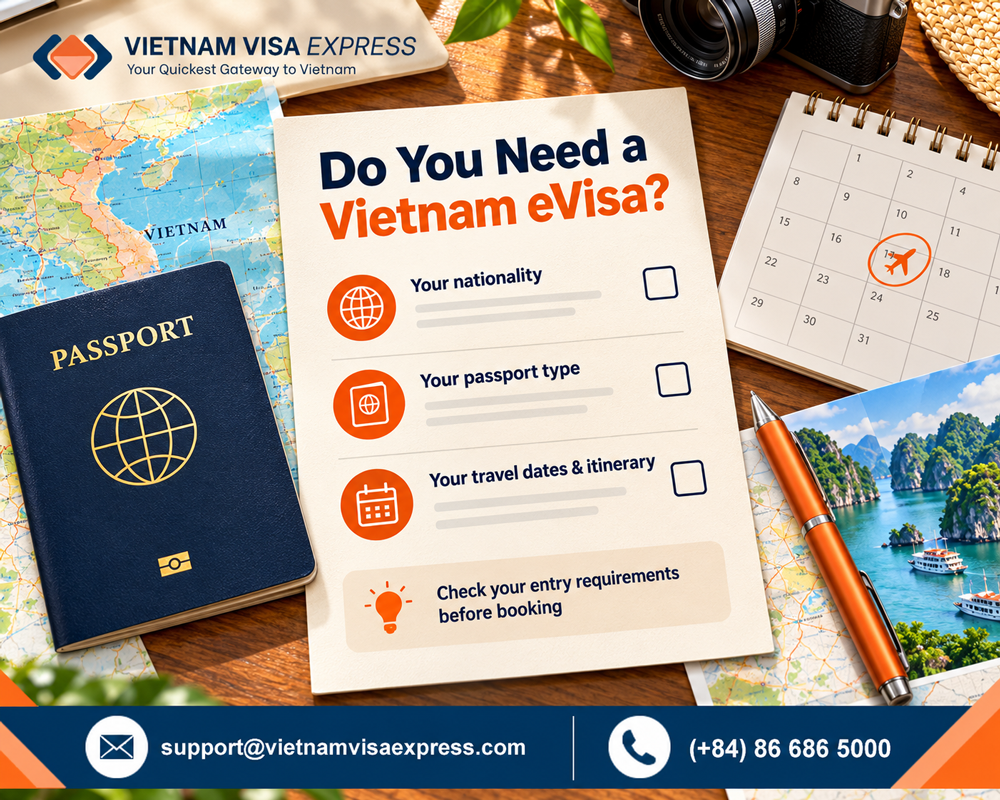
Check your nationality and travel plans to determine whether you need a Vietnam eVisa
Do All Foreign Travellers Need a Vietnam eVisa?
No. Vietnam offers visa exemptions to citizens of certain countries, allowing eligible travellers to enter without applying for an e-Visa.
Visitors who do not qualify for an exemption usually need a visa or another recognized entry authorization.
The Vietnam e-Visa is a common option for travellers planning tourism, business visits, or other permitted short-term activities.
Which Nationalities Can Enter Vietnam Without a Visa?
Vietnam provides visa-free entry under unilateral and bilateral agreements.
For example, ordinary passport holders from the United Kingdom, Germany, France, Japan, and South Korea may qualify for stays of up to 45 days, subject to entry conditions.
Certain ASEAN nationals also benefit from visa exemptions, although permitted stay durations vary.
Travellers should check the rules applicable to their specific nationality and passport type before departure.
Do US, Australian, and Indian Citizens Need an eVisa?
Ordinary passport holders from the United States, Australia, and India generally need a visa for travel to mainland Vietnam unless they qualify for a specific exemption or hold another valid authorization.
A Vietnam e-Visa is available to eligible applicants from these countries.
Travellers should confirm the appropriate visa type before making non-refundable travel arrangements.
When Can You Visit Vietnam Without an eVisa?
Visa-free entry depends on the traveller’s nationality, permitted duration of stay, and applicable entry conditions. Certain visitors can also benefit from special exemptions when travelling to Phu Quoc Island. These arrangements should not be confused with an unrestricted right to enter mainland Vietnam.
Can You Enter Vietnam Under a Visa Exemption?
Yes. Eligible travellers can enter Vietnam without an e-Visa when their visit complies with the applicable visa exemption conditions.
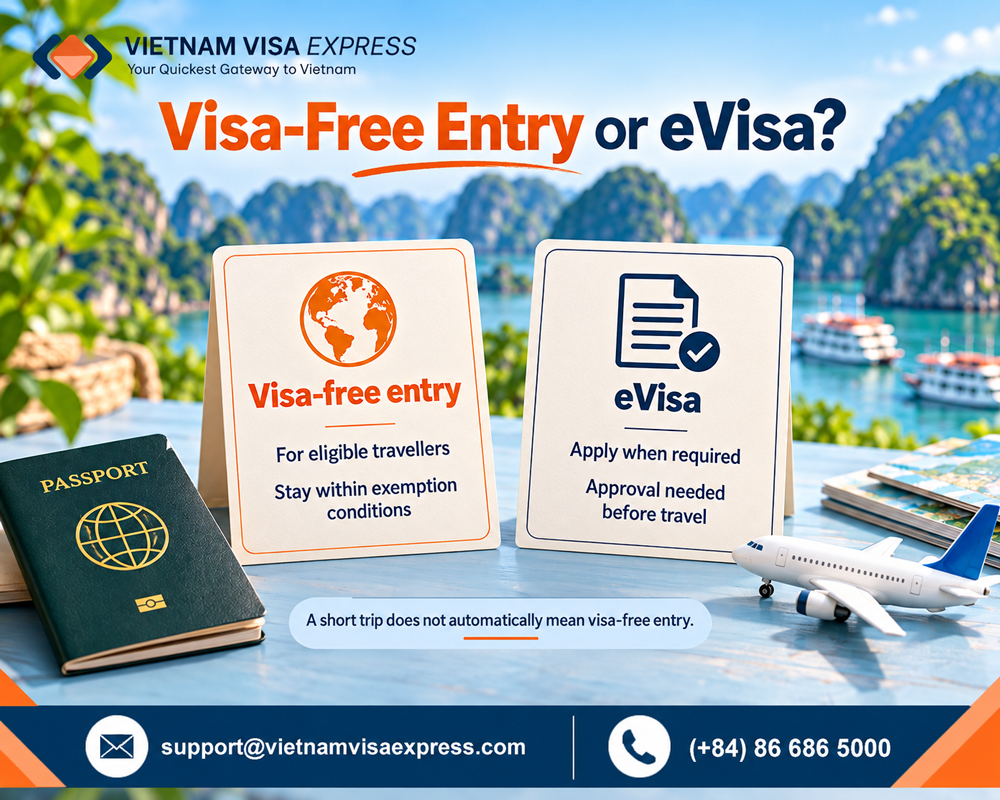
Visa-free entry depends on your eligibility and permitted length of stay
For example, some nationalities qualify for stays of up to 45 days, while others have shorter permitted periods.
Your exemption must cover the full intended visit, and your passport must satisfy the relevant entry requirements.
Do You Need an eVisa for a Short Holiday?
Not necessarily. A short holiday may qualify for visa-free entry if your nationality is covered by an applicable exemption.
However, a brief visit does not automatically remove the visa requirement.
Travellers from countries without a relevant exemption generally need an appropriate visa even for short stays.
Check your nationality and intended arrival date before choosing an entry arrangement.
Do You Need an eVisa to Visit Phu Quoc Island?
Foreign passport holders may qualify for a special visa exemption allowing visits to Phu Quoc Island for up to 30 days, subject to immigration conditions.
This arrangement has specific requirements and does not automatically authorize unrestricted travel throughout mainland Vietnam.
Visitors planning to travel beyond Phu Quoc should confirm whether they need a separate visa or qualify for another exemption.
| Travel situation | Is an e-Visa required? |
|---|---|
| Eligible visa-exempt nationality | No, within permitted conditions |
| Nationality without applicable exemption | Usually yes, or another valid visa |
| Visa-exempt visit exceeding permitted stay | Appropriate visa or authorization needed |
| Qualifying Phu Quoc visit | May be exempt for up to 30 days |
| Eligible international airside transit | Generally no, if transit conditions are met |
| Valid alternative entry authorization | An additional e-Visa may not be required |
What Are the Requirements for a Vietnam eVisa?
Applicants who need a Vietnam e-Visa must meet the relevant immigration conditions and submit accurate personal and travel information. The electronic application includes passport details, supporting images, intended entry information, and payment of the prescribed government fee.
What Documents Do You Need for a Vietnam eVisa?
Applicants generally need a valid passport, a digital portrait photograph, and an image of the passport information page.
The application also requires personal information and relevant travel details.
Ensure that your name, nationality, passport number, and date of birth match your passport. Inconsistent information may cause processing difficulties or require corrections.
How Long Can You Stay With a Vietnam eVisa?
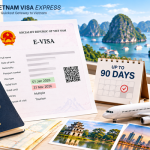
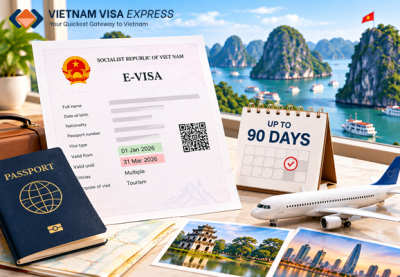
A Vietnam e-Visa can be issued for up to 90 days with single-entry or multiple-entry permission.
The actual authorized period depends on the dates shown on the approved document.
A single-entry e-Visa generally cannot be reused after leaving Vietnam, while a multiple-entry visa permits repeated entries during its validity.
The guide on how long a Vietnam eVisa is valid for explains these distinctions.
How Much Does a Vietnam eVisa Cost?
The official government application fees are US$25 for a single-entry e-Visa and US$50 for a multiple-entry e-Visa.
These fees are separate from optional private visa assistance charges and are generally non-refundable if the application is refused.
Travellers can review how much a Vietnam eVisa costs when comparing government fees and assistance services.
How Can You Prepare for Vietnam Entry Requirements?
Travellers should confirm their visa eligibility before departure rather than relying on general assumptions about nationality or visit duration. Preparing the correct authorization and checking document details can reduce difficulties during airline check-in and immigration inspection.
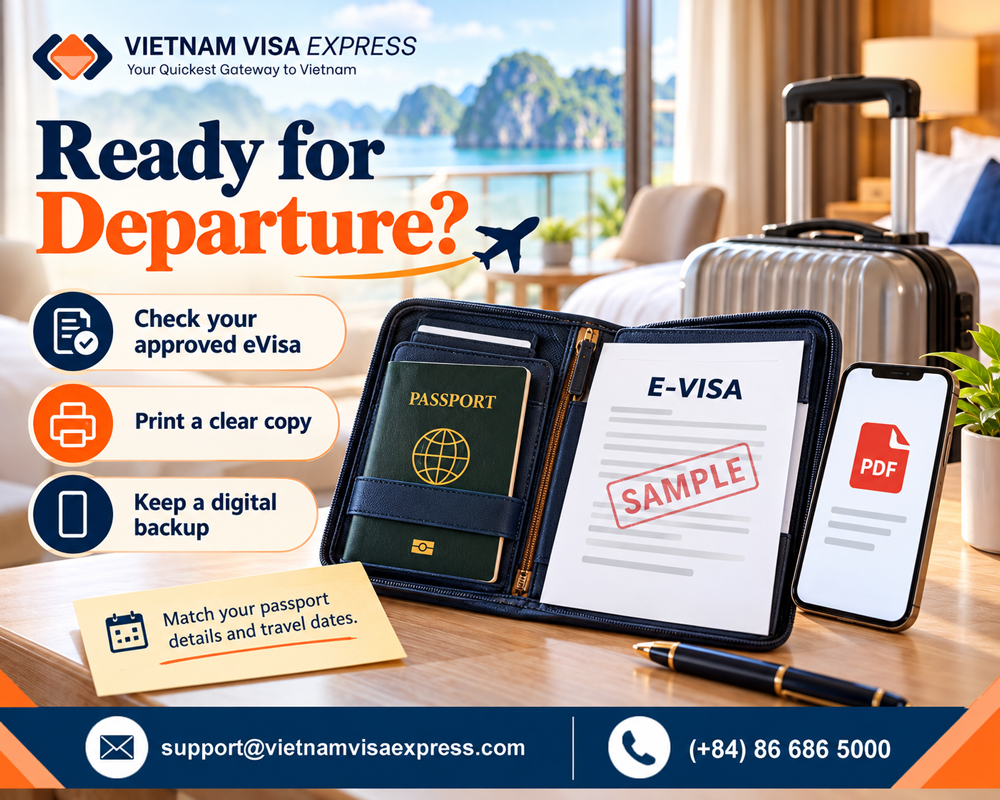
Check your approved eVisa, print a copy, and keep a digital backup
How Do You Confirm Your Visa Requirements?
Start by checking the visa exemption rules associated with your nationality and passport type.
Then compare the permitted stay with your intended travel dates and itinerary.
If you are not exempt, determine whether an e-Visa is suitable for your visit.
Also verify that your planned entry point accepts your chosen entry authorization.
How Can You Check Your Approved eVisa?
After receiving approval, retrieve your e-Visa through the official electronic visa system.
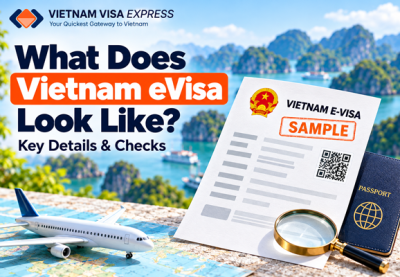
Compare its full name, passport number, nationality, validity dates, and permitted entries with your original application and travel document.
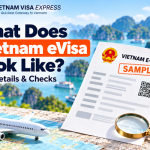
The guide on what a Vietnam eVisa looks like helps travellers identify important information on the issued document.
Should You Print Your eVisa Before Travelling?
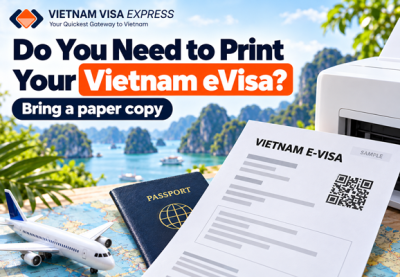
Yes. Travellers holding an approved Vietnam e-Visa should download and print a clear copy before departure.
Keep the document with the passport used in your application and retain a digital backup.
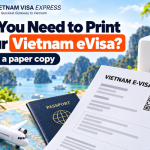
The guidance on whether you need to print your eVisa for Vietnam explains how to prepare a readable document for airline and immigration checks.
Common Questions About Vietnam eVisa Requirements
Visa requirements can vary according to individual travel circumstances. These answers address common questions about arriving without an e-Visa, applying independently, and visiting Vietnam multiple times.
Can I Get a Vietnam eVisa Upon Arrival?
No. A Vietnam e-Visa must be approved before it can be used for entry. Travellers should not assume they can obtain an e-Visa after arriving at the immigration checkpoint. Other visa-on-arrival arrangements, where applicable, follow separate requirements.
Can I Apply for a Vietnam eVisa Without an Agency?
Yes. Travellers can apply directly through the official government e-Visa system. Private agencies are optional and may assist with document preparation, application reviews, or urgent travel concerns.
Do I Need a New eVisa Every Time I Visit Vietnam?
Not always. An approved multiple-entry e-Visa can be used for repeated entries during its authorized validity period. A single-entry e-Visa generally cannot be reused after departure. Visa-exempt travellers may enter under applicable exemption conditions.
Get Vietnam eVisa Assistance From Vietnam Visa Express
Knowing whether you need a Vietnam e-Visa helps you prepare suitable entry documents and avoid unnecessary applications.
Vietnam Visa Express provides professional assistance with Vietnam e-Visa applications, visa eligibility questions, and urgent travel requirements. Our team helps international travellers assess available entry options, review documents, and address application concerns. Contact us for practical visa support tailored to your travel plans.
Contact Vietnam Visa Express
- Email: support@vietnamvisaexpress.com
- Hotline/WhatsApp/Zalo: (+84) 86 686 5000