Vietnam eVisa Guide
Vietnam’s eVisa is the main visa option for international travelers who need a visa to enter Vietnam. It is issued electronically by the Vietnam Immigration Department and can be obtained before departure, making it simpler than older visa processes that required additional procedures on arrival.
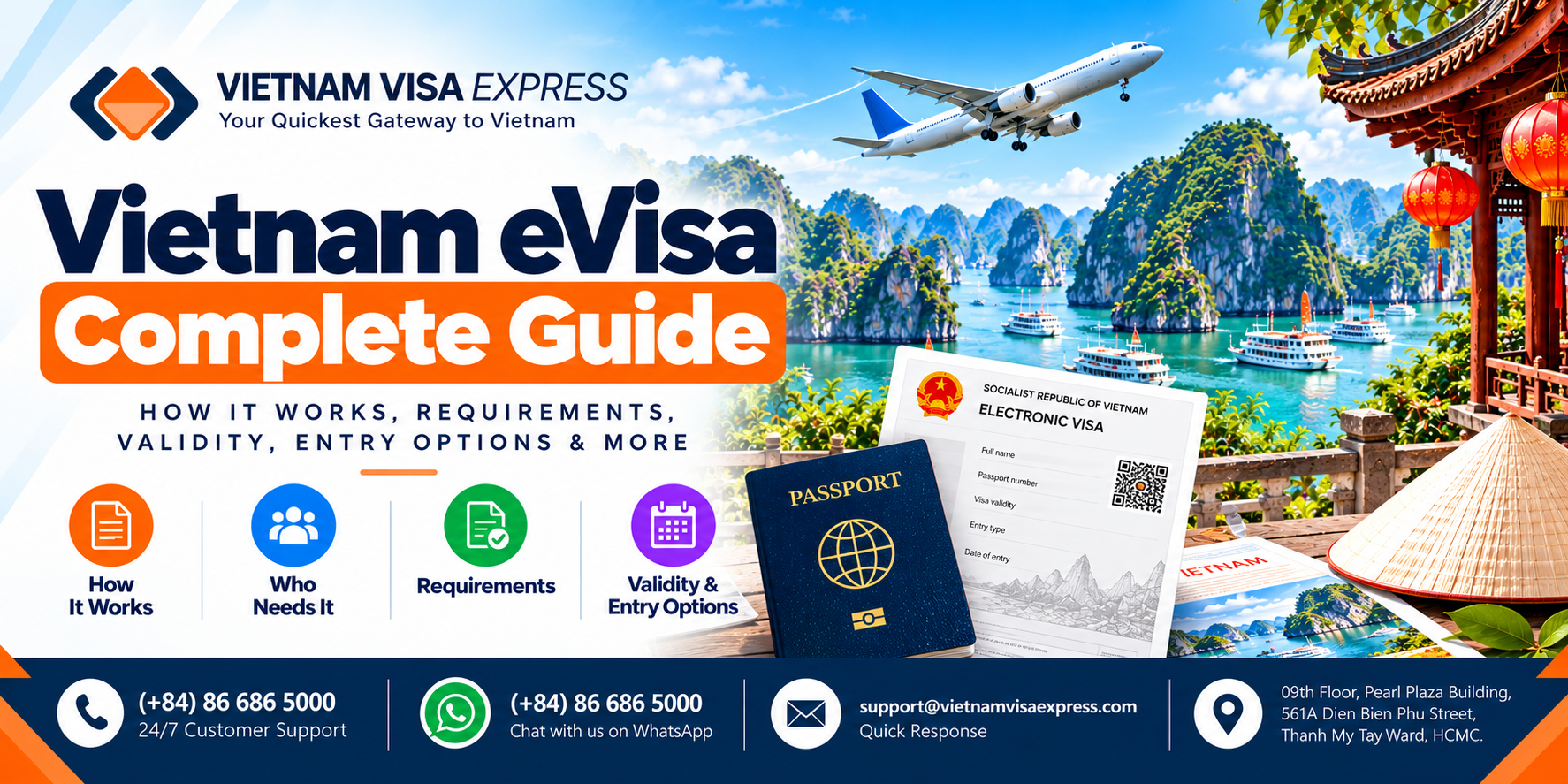
This guide explains how the Vietnam eVisa works, who may need one, what you need to prepare, available validity and entry options, and what to check before travelling.
If you already have an eVisa application in progress, see our Pending Vietnam eVisa Checklist instead.
What Is a Vietnam eVisa?
A Vietnam eVisa is an electronic visa issued by the Vietnam Immigration Department.
Once approved, the visa is issued electronically and can be downloaded before you travel. The issued eVisa contains important information including your personal details, passport information, visa validity and entry conditions.
Vietnam significantly expanded its eVisa system in August 2023, making the eVisa available to citizens of all countries and territories.
The system has since expanded further, allowing eVisa holders to enter and exit through designated international airports, land border gates and seaports throughout Vietnam.
For most travelers who require a visa, the eVisa is now the most straightforward option for short-term travel to Vietnam.
Who Needs a Vietnam eVisa?
Whether you need an eVisa depends primarily on:
- Your passport nationality
- Your intended length of stay
- Your travel purpose
- Your planned number of entries into Vietnam
- Whether you qualify for visa-free entry
Some passport holders can enter Vietnam without a visa for a limited period under Vietnam’s visa-exemption policies or bilateral agreements.
Travelers who are not eligible for visa-free entry generally need to obtain an appropriate visa before travelling.
Even if your nationality qualifies for visa-free entry, an eVisa may still be appropriate if your planned stay exceeds the applicable exemption period or your itinerary requires multiple entries into Vietnam.
Your passport nationality, rather than your country of residence, is the key information used when determining the appropriate visa route.
Check Vietnam visa requirements for your nationality →
What Can a Vietnam eVisa Be Used For?
A Vietnam eVisa may be used for eligible short-term travel purposes such as:
- Tourism and holidays
- Visiting family or friends
- Conferences and events
- Business meetings
- Contract discussions
- Market visits
- Supplier meetings and inspections
- Other permitted short-term activities
An eVisa does not automatically authorize employment in Vietnam.
Travelers intending to work in Vietnam should check whether separate work permit or immigration requirements apply to their circumstances.
Vietnam eVisa Requirements
Before applying, you should normally prepare:
A valid passport
Use the passport that you intend to travel with. The information entered in your application should match the passport exactly.
Passport bio-page image
Provide a clear image of the page containing your photograph and personal details. All important information should be readable.
Recent portrait photograph
Your photograph should clearly show your face and meet the applicable photo requirements.
Travel dates
You will need your intended date of arrival and the appropriate visa validity for your trip.
Entry information
You should know how and where you intend to enter Vietnam.
Incorrect passport details, unclear images or inconsistencies in an application may cause processing problems.
For detailed guidance on preparing your passport and portrait images, see:
Preparing Passport Images and Photos for a Vietnam eVisa →
Vietnam eVisa Validity and Entry Options
Vietnam eVisas can be issued for stays of up to 90 days and may be issued for single or multiple entry.
A single-entry eVisa allows you to enter Vietnam once during the permitted visa period. Once you leave Vietnam, that visa cannot normally be used for another entry.
A multiple-entry eVisa allows multiple entries during the visa’s permitted validity period, making it more suitable for travelers planning to leave Vietnam and return during the same trip.
For example, a traveler visiting Vietnam, continuing to Cambodia and then returning to Vietnam should consider whether a multiple-entry visa is required before applying.
Always choose your visa according to your complete itinerary, rather than considering only your first arrival.
Check the Validity Dates on Your eVisa
Your issued eVisa shows the dates during which it is valid. You must enter Vietnam within the validity period printed on the visa and comply with its stated conditions.
Do not assume that the validity period automatically begins on the day you arrive. Before travelling, check the valid-fromand valid-until dates on the issued eVisa. If your travel dates change, make sure your planned arrival still falls within that period.
Available eVisa Options
| Option | Validity | Entries | Our fee |
|---|---|---|---|
| 1-month single | 30 days | 1 | $54 |
| 1-month multiple | 30 days | Multiple | $84 |
| 3-month single | Up to 90 days | 1 | $94 |
| 3-month multiple | Up to 90 days | Multiple | $104 |
The service fee and processing option should be confirmed before payment, particularly if you require urgent processing.
How Long Does a Vietnam eVisa Take?
Vietnam eVisa processing normally takes several working days. The actual timeline may be affected by the application, submission time, Vietnamese weekends or public holidays, and current Immigration processing conditions.
A processing estimate should therefore not simply be counted as calendar days from the date you submit your information.
If you want to understand how processing days are counted, see:
Understanding Vietnam Visa Working Days and Processing Times →
If your departure is approaching, expedited processing options may be available depending on your case and submission time.
View Urgent Vietnam eVisa Processing →
Where Can You Enter Vietnam With an eVisa?
Vietnam eVisas can be used at designated international airports, land border crossings and seaports.
Following the expansion of the eVisa entry-point system in December 2025, Vietnam has 83 designated eVisa entry and exit points, comprising international airports, land border gates and seaports.
This means the eVisa is not limited to travelers arriving by air.
Before submitting your application, check that your intended entry point is eligible for eVisa use and that the information entered in your application matches your travel plans.
eVisa vs. Visa on Arrival
Visa on arrival (VOA) was widely used before Vietnam expanded its eVisa system.
Under the older VOA process, eligible travelers obtained an approval letter before departure, travelled to a designated Vietnamese international airport, completed additional procedures on arrival and then received their visa.
The eVisa has effectively replaced this process for most travelers.
| Vietnam eVisa | Visa on Arrival | |
|---|---|---|
| Visa/document | Electronic visa | Approval letter + arrival procedure |
| Before departure | Visa issued | Approval letter obtained |
| Arrival procedure | Normal Immigration procedure | Additional VOA procedure |
| Entry points | Designated air, land and sea ports | Selected airports |
| Recommended for most eligible travelers | Yes | Limited cases |
Vietnam Visa Express is gradually phasing out visa-on-arrival approval letter processing and moving toward eVisa-focused services.
For almost all eligible travelers, we recommend obtaining an eVisa before departure as the simpler and more convenient option.
How Does the Vietnam eVisa Process Work?
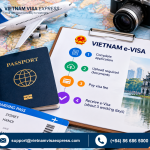
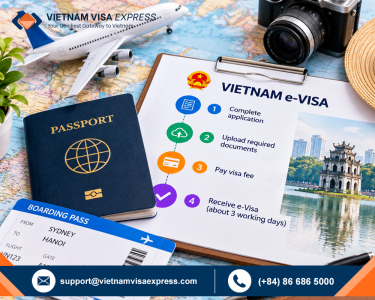
The basic process can be completed in a few steps.
1. Choose your visa option
Select the appropriate validity period and whether your itinerary requires single or multiple entry.
2. Provide your information
Submit your passport details, travel information, passport image and portrait photograph.
3. Application processing
Your application is prepared and submitted through the appropriate processing channel.
4. Receive your eVisa
Once issued, your eVisa is delivered electronically.
5. Check the issued visa
Before travelling, compare the information on the eVisa against your passport and itinerary.
6. Travel to Vietnam
Keep your eVisa available together with your passport when checking in for your flight and when entering Vietnam.
How to Track Your Vietnam eVisa Application
If you apply through the official Vietnam eVisa portal, save the electronic dossier code (registration code) generated after you submit your application. You will need it to look up your application.
To check the result, use the details requested by the official portal, which may include your registration code, registration email address and date of birth. Start from the official Vietnam eVisa portal.
If you applied through a visa service provider, ask that provider for the correct tracking details for your application. Keep your application information secure, and check the status of your existing application before considering a new submission.
Check Your eVisa Before You Travel
Once your eVisa has been issued, do not assume that receiving the PDF means there is nothing else to check.
Review:
- Full name
- Passport number
- Date of birth
- Nationality
- Visa validity dates
- Single or multiple entry
- Other entry information shown on the visa
The details should correspond with the passport you will use to travel.
Do not manually edit an issued eVisa PDF if you notice incorrect information.
If something appears incorrect, contact the appropriate application channel or service provider before departure.
What If My Vietnam eVisa Is Still Pending?
If you have already submitted an application but have not received an issued eVisa, first check how long the application has actually been processing.
Weekends, public holidays and the time at which an application enters processing can affect the expected timeline.
Avoid automatically submitting another application without understanding the status of the existing one.
If your application is still pending, use our checklist to determine what to review and what options may be available:
What to Check When Your Vietnam eVisa Is Pending →
If your departure is approaching, expedited assistance may be available depending on the status of your application and the time remaining before travel.
Get Help With a Pending Vietnam eVisa →
What to Do When You Arrive in Vietnam
Keep your passport and issued eVisa readily available when travelling.
When you arrive:
- Present your passport and eVisa when requested during Immigration procedures.
- Make sure you are using the same passport associated with the issued eVisa.
- Complete the normal Immigration entry procedure.
- Keep a copy of your eVisa available during your trip.
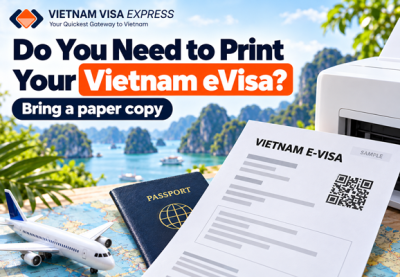
We recommend keeping both a printed copy and an electronic copy of your issued eVisa when travelling.
Frequently Asked Questions
Do I need an approval letter if I have an eVisa?
No. An issued Vietnam eVisa and a visa-on-arrival approval letter are different documents. An eVisa holder does not normally require a separate VOA approval letter.
How long can I stay in Vietnam with an eVisa?
Vietnam eVisas may be issued for a validity period of up to 90 days. Your permitted dates are shown on the issued visa and should be checked before travel.
Can I get a multiple-entry Vietnam eVisa?
Yes. Single-entry and multiple-entry eVisa options are available. Choose according to your complete travel itinerary.
Can I enter Vietnam by land with an eVisa?
Yes, at designated land border gates that accept Vietnam eVisas. You should check your intended entry point before travelling.
What if my eVisa is still pending?
Check the actual number of Vietnam working days that your application has been processing and review the status of the existing application before submitting another one. If your flight is approaching, expedited assistance may be available.
Should I print my Vietnam eVisa?
We recommend carrying a printed copy in addition to keeping an electronic copy available on your phone or other device.
Is the Vietnam government eVisa fee refundable if my application is refused?
No. The official Vietnam eVisa portal states that the government eVisa application fee is non-refundable if the visa is not granted. This is separate from any service fee charged by an independent visa assistance provider; check that provider's own terms for its service fees and refund policy before paying.
Ready to Apply for Your Vietnam eVisa?
If you have not yet applied, choose the eVisa option that matches your travel dates and itinerary.
Already applied?
Travelling soon?