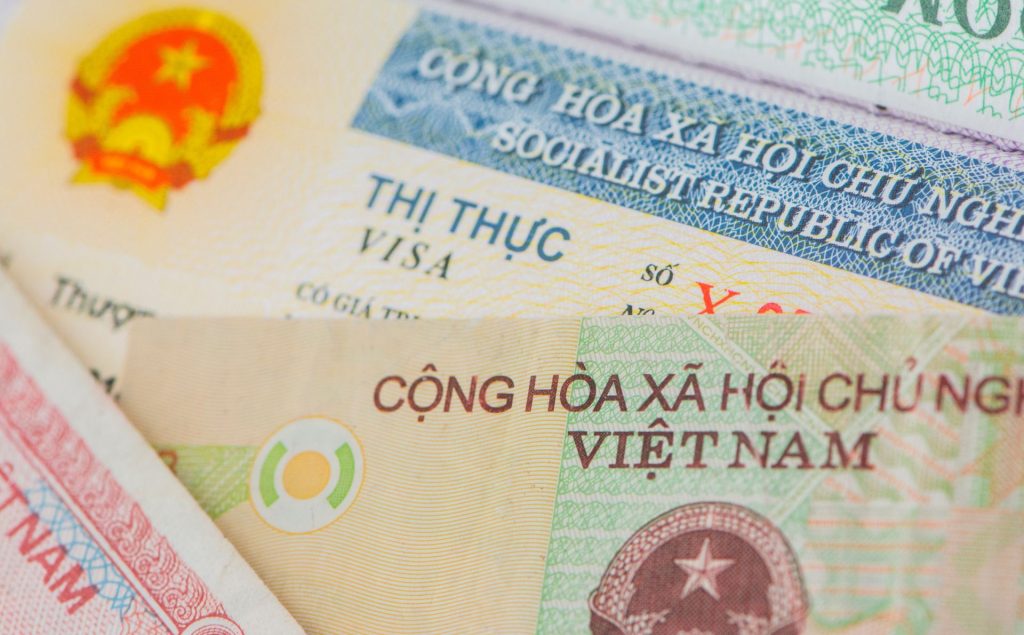
Vietnam E Visa: Fees, Cost, Processing Time & Complete Application Guide (2026)
Vietnam e visa applications have become the fastest and most practical way for travellers to enter Vietnam, but confusion around fees, processing time, cost, eligibility, and approval status still causes delays, rejections, and unnecessary stress. Whether you are planning a short holiday, a business visit, or a multi-city trip across Southeast Asia, understanding how the Vietnam e visa works — before you apply — can save you time, money, and last-minute travel disruptions.
The Vietnam e visa is an official electronic travel authorisation issued by the Vietnam Immigration Department, allowing eligible foreign nationals to enter the country without visiting an embassy or consulate. While the application process is fully online, many travellers underestimate how strict the requirements are, how processing timelines vary, and how small errors can lead to rejection or long delays. As demand for Vietnam e visa applications continues to rise, especially during peak travel seasons, accurate and up-to-date information matters more than ever.
This guide is designed to give you a complete, practical, and current explanation of the Vietnam e visa, covering everything from official Vietnam e visa fees and total cost, to processing time, application steps, payment issues, and approval status tracking. You’ll also learn how the Vietnam e visa compares to other visa options, which entry points accept e visas, and when using a professional visa service can reduce risk.
Unlike fragmented articles that focus on only one aspect, this page brings together all critical Vietnam e visa information in one place, using clear explanations, verified requirements, and real-world scenarios faced by travellers every day. Whether you are applying for a Vietnam e visa for the first time or reapplying after a delay or rejection, this guide will help you make informed decisions with confidence.
By the end of this article, you will understand how the Vietnam e visa works, how much it really costs, how long it takes to process, and how to avoid the most common mistakes that catch travellers off guard — so you can focus on planning your trip to Vietnam, not worrying about your visa.
What Is a Vietnam E Visa and Who Is It For?

The Vietnam e visa is an official electronic visa issued by the Vietnam Immigration Department that allows eligible foreign nationals to enter Vietnam without visiting an embassy or consulate. Introduced to simplify travel and reduce paperwork, the Vietnam e visa is applied for online, processed digitally, and delivered electronically, making it one of the most convenient visa options available for short-term travel to Vietnam.
Unlike traditional visa types that require physical documents, in-person appointments, or sponsorship letters, the Vietnam e visa is designed for travellers who want a straightforward, predictable application process. Once approved, the Vietnam e visa is linked to your passport and can be presented digitally or in printed form upon arrival at designated entry points.
However, convenience does not mean flexibility without limits. The Vietnam e visa comes with specific conditions related to length of stay, entry type, approved entry points, and permitted activities. Understanding exactly what the Vietnam e visa allows — and what it does not — is essential before applying, especially as incorrect assumptions are a common cause of rejection or travel disruption.
What the Vietnam E Visa Allows You to Do
The Vietnam e visa permits travellers to enter Vietnam for short-term stays under clearly defined conditions set by immigration authorities. While details may change over time, the Vietnam e visa generally allows:
Entry into Vietnam for tourism, short business visits, meetings, or family visits
Stay for the approved duration stated on the visa
Entry through specific airports, land borders, and seaports authorised for e visa holders
Independent travel without requiring a local sponsor
The Vietnam e visa is particularly suitable for travellers who want flexibility in planning without the administrative burden of embassy-based applications. It is commonly used by tourists, digital nomads on short stays, and business travellers attending meetings or events.
That said, the Vietnam e visa does not allow long-term residence, employment, or activities that require special permits. Overstaying or using the Vietnam e visa for unauthorised purposes can lead to fines, blacklisting, or future visa refusals. For travellers planning extended stays or specialised activities, alternative visa types may be more appropriate.
Who Is Eligible for a Vietnam E Visa
Eligibility for the Vietnam e visa depends primarily on nationality, passport validity, and compliance with application requirements. Citizens of eligible countries can apply online as long as they meet the basic criteria set by the Vietnam Immigration Department.
In general, applicants must:
Hold a passport with sufficient remaining validity
Have a clear passport scan that matches application details exactly
Provide a compliant digital passport photo
Apply using accurate personal and travel information
Even among eligible nationalities, approval is not automatic. Applications may be rejected due to past immigration issues, incorrect documentation, mismatched details, or technical errors during submission. This is why understanding the eligibility rules — and preparing correctly before applying — plays a critical role in successful Vietnam e visa approval.
For travellers who are unsure about their eligibility or who have faced previous rejections, seeking clarification before applying can help avoid delays and unnecessary costs.
Vietnam E Visa Fees Explained
Understanding Vietnam e visa fees before submitting an application helps travellers plan accurately and avoid unnecessary delays or repeat applications. Visa applications involve mandatory application fees as part of the submission process, and some travellers also choose to work with a professional visa service provider to ensure everything is handled correctly the first time.
Because visa application fees are charged per submission, errors or incomplete information can lead to additional costs if an application needs to be resubmitted. This is why many travellers prefer to apply through experienced providers such as
👉 VietnamVisaExpress.com’s Vietnam e visa application service
https://vietnamvisaexpress.com/visa-application/e-visa/
where applications are reviewed before submission to reduce the risk of avoidable issues. Whatsapp us for easy communication
Below is a clear explanation of how Vietnam e visa fees work, what costs are fixed as part of the application process, and what additional fees may apply when professional assistance is used.
Mandatory Vietnam E Visa Application Fees
All Vietnam e visa applications include a mandatory application fee that is paid during submission. This fee is required for the application to be reviewed and processed and applies regardless of where the application is submitted.
Important points travellers should understand:
The application fee is charged per submission
It is paid online during the application process
It is generally non-refundable once submitted
It covers the administrative processing of the visa request
Because the application fee is tied to each submission, accuracy is critical. Mistakes in passport details, photos, or travel dates can result in delays or the need to reapply. Many travellers choose to work with a professional service such as
👉 VietnamVisaExpress.com
https://vietnamvisaexpress.com/visa-application/e-visa/
to help ensure their application is prepared correctly before submission. Whatsapp us for easy communication
Professional Service Fees and Application Support
In addition to the mandatory application fee, travellers may choose to pay a service fee when working with a professional visa assistance provider. This service fee reflects the support provided before and during the application process and is separate from application charges.
When applying through
👉 VietnamVisaExpress.com
https://vietnamvisaexpress.com/visa-application/e-visa/
service fees typically cover:
Review of application details before submission
Verification of passport scans and photo compliance
Error prevention and correction
Assistance with online payment issues
Monitoring application progress and follow-up where needed
Optional coordination for urgent or time-sensitive applications
For travellers applying close to their travel date, unfamiliar with visa requirements, or seeking added peace of mind, professional support can reduce stress and help avoid costly mistakes. Others who are confident and applying well in advance may choose to submit independently.
Vietnam E Visa Cost Breakdown (Total Cost You Should Expect)
When travellers ask about the Vietnam e visa cost, they are usually referring to the total amount paid based on processing speed, visa type, and level of support. In practice, the final cost depends on how quickly you need the visa, whether you are applying alone or as a group, and whether professional application support is included.
For travellers who want clarity and predictable outcomes, many choose to apply through a professional service such as
👉 VietnamVisaExpress.com’s Vietnam E Visa services
https://vietnamvisaexpress.com/our-services/vietnam-e-visa/
which offers multiple processing timelines and structured pricing, allowing applicants to match cost with urgency. Whatsapp us for easy communication
This section explains what affects the Vietnam e visa cost and how different processing methods compare, so you can plan confidently for travel in 2026.
Vietnam E Visa Cost by Application Method and Processing Speed
The total Vietnam e visa cost varies primarily by processing time and application method. Some travellers are flexible and choose standard timelines, while others require faster processing due to tight travel schedules.
Below is a high-level comparison of common processing approaches:
| Method | Processing Time | Key Features |
|---|---|---|
| Standard E-Visa Application | 3–5 days (no expedite) | Individual applications only |
| Vietnam Visa Express | 1–4 hours; 1–2 days; 5–7 days | 24/7 support, group applications, money-back guarantee |
Travellers who need flexibility, faster turnaround, or assistance with group or time-sensitive travel often prefer applying through
👉 VietnamVisaExpress.com
https://vietnamvisaexpress.com/our-services/vietnam-e-visa/
as it allows them to select a processing option that matches their timeline rather than relying on a single fixed timeframe.
Vietnam Visa Express Fees by Processing Time and Visa Type
For travellers who want transparent pricing, Vietnam Visa Express offers clearly defined fees based on processing speed and visa type. The tables below outline typical visa fees per person (USD), helping travellers understand the full Vietnam e visa cost upfront.
4-Hour Processing
| Visa Type | Visa Fee (USD / Pax) |
|---|---|
| 1-month single entry | $169 |
| 1-month multiple entry | $199 |
| 3-month single entry | $209 |
| 3-month multiple entry | $219 |
1-Day Processing
| Visa Type | Visa Fee (USD / Pax) |
|---|---|
| 1-month single entry | $139 |
| 1-month multiple entry | $169 |
| 3-month single entry | $179 |
| 3-month multiple entry | $189 |
2-Day Processing
| Visa Type | Visa Fee (USD / Pax) |
|---|---|
| 1-month single entry | $99 |
| 1-month multiple entry | $129 |
| 3-month single entry | $139 |
| 3-month multiple entry | $149 |
Normal Processing
| Visa Type | Visa Fee (USD / Pax) |
|---|---|
| 1-month single entry | $54 |
| 1-month multiple entry | $84 |
| 3-month single entry | $94 |
| 3-month multiple entry | $104 |
These options allow travellers to balance cost, speed, and peace of mind. Travellers applying well in advance may choose normal processing, while those with urgent or last-minute travel plans often opt for expedited timelines through
👉 VietnamVisaExpress.com’s Vietnam E Visa service
https://vietnamvisaexpress.com/our-services/vietnam-e-visa/
Vietnam E Visa Processing Time (Normal, Fast & Urgent Options)
One of the most common concerns travellers have is Vietnam e visa processing time, especially when travel dates are approaching quickly. While some applicants plan well in advance, others discover they need a visa at the last minute due to sudden travel changes, booking confirmations, or missed requirements.
Processing time for a Vietnam e visa depends largely on when the application is submitted, whether the details are complete, and which processing option is selected. Travellers looking for predictable timelines often choose to apply through a professional service such as
👉 VietnamVisaExpress.com’s Vietnam e visa application service
https://vietnamvisaexpress.com/visa-application/e-visa/
which offers multiple processing speeds to match different travel needs.
This section explains how Vietnam e visa processing time works, what influences delays, and how to choose the right option for travel in 2026.
Standard Vietnam E Visa Processing Time
Standard Vietnam e visa processing time typically ranges from several working days, depending on submission timing, application volume, and public holidays. This option is best suited for travellers who apply well in advance and have flexible travel dates.
Factors that can affect standard processing time include:
High application volumes during peak travel seasons
Submissions made close to weekends or holidays
Errors or inconsistencies in application details
Travellers using standard timelines should ensure all information is accurate before submission, as even small mistakes can extend processing time or require resubmission. Those who want added reassurance often apply through
👉 VietnamVisaExpress.com
https://vietnamvisaexpress.com/visa-application/e-visa/
where applications are reviewed before submission to help avoid unnecessary delays. Whatsapp us for easy communication
Fast and Urgent Vietnam E Visa Processing Options
For travellers with tight schedules, fast and urgent Vietnam e visa processing options provide significantly shorter turnaround times. These options are commonly used by business travellers, last-minute planners, or travellers facing unexpected itinerary changes.
Fast processing options typically include:
Same-day or few-hour processing
One-day or two-day processing
Priority handling for time-sensitive travel
Choosing a faster option does not change visa validity or conditions. It simply accelerates the application handling process. Travellers who need speed, reliability, and ongoing support often prefer applying through
👉 VietnamVisaExpress.com’s expedited e visa services
https://vietnamvisaexpress.com/visa-application/e-visa/
to ensure timelines are met and application status is actively monitored.
When planning travel into 2026, selecting the right processing time based on urgency — rather than waiting until the last moment — can significantly reduce stress and travel disruption.
Vietnam E Visa Status: In Processing, Approved or Delayed

Vietnam E Visa Entry Points: Airports, Land & Seaports
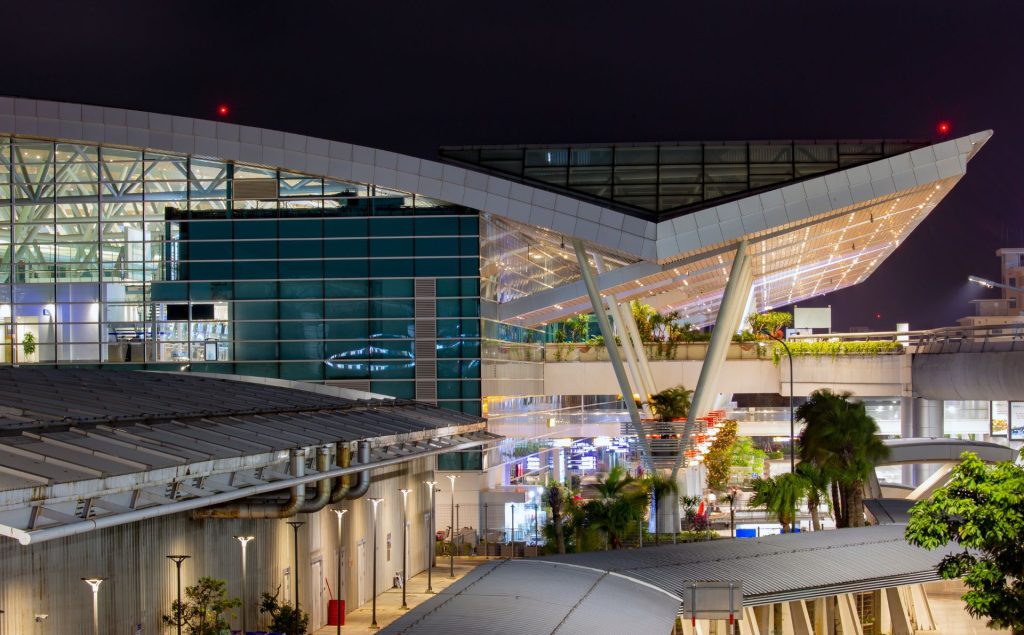
A Vietnam e visa is only valid when used at approved entry points, which means travellers must ensure their arrival location matches the conditions of their visa. Arriving at a non-approved airport, land border, or seaport can result in denied entry, even if the visa itself has been approved.
Because entry points are a common source of confusion, many travellers choose to apply through a professional service such as
👉 VietnamVisaExpress.com’s Vietnam e visa service
https://vietnamvisaexpress.com/our-services/vietnam-e-visa/
where entry details are checked during the application process to help ensure alignment with travel plans. Whatsapp us for easy communication
This section explains how Vietnam e visa entry points work and what travellers should consider when planning travel in 2026.
Approved Airports for Vietnam E Visa Entry
Vietnam e visas are accepted at a wide range of international airports across the country. Most travellers enter Vietnam by air, making airport selection the most straightforward part of trip planning.
Common international arrival airports include:
Major airports serving Hanoi, Ho Chi Minh City, Da Nang, and other key cities
Airports handling both regional and long-haul international flights
When applying for a Vietnam e visa, travellers must indicate their intended entry point. While minor itinerary changes are sometimes manageable, it is best to ensure the entry airport listed on the application matches the actual arrival location.
Travellers applying through
👉 VietnamVisaExpress.com
https://vietnamvisaexpress.com/our-services/vietnam-e-visa/
often receive guidance on selecting the correct entry airport and aligning visa details with flight bookings, reducing the risk of arrival issues.
Land Border and Seaport Entry Points Explained
In addition to airports, Vietnam e visas may also be used at approved land border crossings and seaports, which is particularly relevant for travellers entering Vietnam from neighbouring countries or arriving by cruise.
Land and seaport entry requires extra attention because:
Not all border crossings accept e visas
Entry point selection must match the visa application
Border procedures may differ from airport arrivals
Travellers planning multi-country itineraries or cruise arrivals should confirm their entry point carefully before submitting an application. Using a service such as
👉 VietnamVisaExpress.com’s e visa application support
https://vietnamvisaexpress.com/our-services/vietnam-e-visa/
can help ensure the correct entry point is selected and documented from the start. Whatsapp us for easy communication
Understanding entry point rules ahead of time helps travellers avoid unexpected issues at arrival and ensures smoother entry into Vietnam throughout 2026.
Travellers planning a trip to Vietnam often wonder whether a Vietnam e visa is the best option for their situation or if another visa type may be more suitable. Each visa option serves a different travel purpose, and choosing the wrong one can lead to unnecessary costs, delays, or restrictions during your stay.
The Vietnam e visa is designed to be simple, digital, and convenient, making it a popular choice for short-term travellers. However, it is not the right solution for every travel scenario. Many travellers consult professional services such as
👉 VietnamVisaExpress.com’s Vietnam e visa service
https://vietnamvisaexpress.com/our-services/vietnam-e-visa/
to ensure the visa type they choose matches their itinerary and travel goals.
Vietnam E Visa vs Other Vietnam Visa Options

Travellers planning a trip to Vietnam often wonder whether a Vietnam e visa is the best option for their situation or if another visa type may be more suitable. Each visa option serves a different travel purpose, and choosing the wrong one can lead to unnecessary costs, delays, or restrictions during your stay.
The Vietnam e visa is designed to be simple, digital, and convenient, making it a popular choice for short-term travellers. However, it is not the right solution for every travel scenario. Many travellers consult professional services such as
👉 VietnamVisaExpress.com’s Vietnam e visa service
https://vietnamvisaexpress.com/our-services/vietnam-e-visa/
to ensure the visa type they choose matches their itinerary and travel goals. Whatsapp us for easy communication
This section compares the Vietnam e visa with other common visa options so you can make an informed decision for travel in 2026.
How the Vietnam E Visa Compares to Other Visa Types
The Vietnam e visa is typically preferred for travellers who value speed, simplicity, and online processing. Compared to other visa options, it offers a streamlined experience without the need for physical paperwork or in-person appointments.
In general, the Vietnam e visa is best suited for:
Short-term tourism
Business visits such as meetings or events
Travellers who prefer a fully online application process
Those entering Vietnam through approved airports, land borders, or seaports
Other visa options may involve longer processing times, additional documentation, or different application procedures. These alternatives may be more appropriate for travellers planning extended stays, specific activities, or complex itineraries.
Travellers unsure which option fits their needs often seek guidance through
👉 VietnamVisaExpress.com
https://vietnamvisaexpress.com/our-services/vietnam-e-visa/
to avoid selecting a visa that does not align with their travel plans. Whatsapp us for easy communication
When the Vietnam E Visa May Not Be the Right Choice
While the Vietnam e visa works well for many travellers, there are situations where another visa type may be more appropriate. Understanding these scenarios helps avoid last-minute changes or travel disruptions.
A Vietnam e visa may not be suitable if:
You plan to stay in Vietnam for an extended period
Your travel purpose requires special permissions
Your itinerary involves activities beyond the scope of short-term visits
You need flexibility not covered by e visa conditions
In these cases, exploring alternative visa options before applying is important. Professional services like
👉 VietnamVisaExpress.com’s visa support team
https://vietnamvisaexpress.com/our-services/vietnam-e-visa/
can help assess your travel plans and advise on whether the Vietnam e visa or another option is more appropriate for your situation. Whatsapp us for easy communication
Choosing the right visa from the start ensures a smoother entry experience and helps travellers focus on enjoying their time in Vietnam throughout 2026.
Common Vietnam E Visa Mistakes That Cause Delays
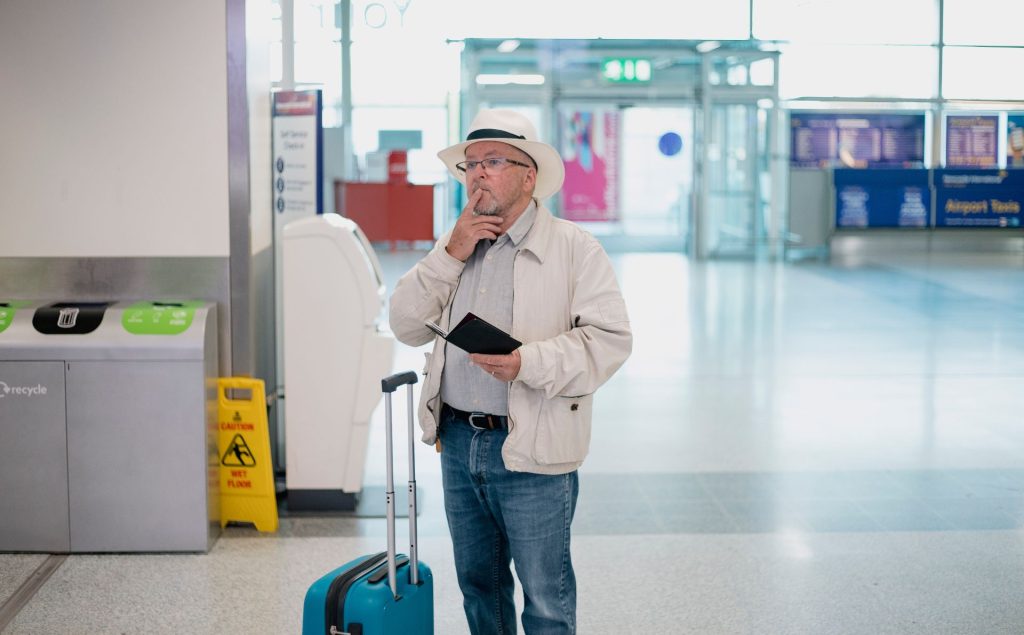
Most Vietnam e visa issues are not caused by complex requirements but by small, avoidable mistakes made during the application process. These errors can lead to delays, additional costs, or the need to resubmit an application — which is especially stressful when travel dates are close.
Understanding the most common Vietnam e visa mistakes helps travellers prepare correctly and avoid unnecessary disruptions. Many applicants choose to work with a professional service such as
👉 VietnamVisaExpress.com’s Vietnam e visa service
https://vietnamvisaexpress.com/our-services/vietnam-e-visa/
to reduce the risk of these errors by having applications reviewed before submission. Whatsapp us for easy communication
This section highlights the most frequent mistakes and how to avoid them when planning travel in 2026.
Application and Document Errors Travellers Often Overlook
A large number of delays stem from mismatches or quality issues in the information submitted. Even minor inconsistencies can slow down processing.
Common application mistakes include:
Name spelling or formatting that does not match the passport exactly
Incorrect passport number or expiry date
Low-quality or cropped passport scans
Passport photos that do not meet size or background requirements
Selecting the wrong visa type or entry details
Because application fees are typically charged per submission, these mistakes can increase the total cost if a reapplication is required. Travellers who apply through
👉 VietnamVisaExpress.com
https://vietnamvisaexpress.com/our-services/vietnam-e-visa/
often benefit from pre-submission checks that help catch these issues early. Whatsapp us for easy communication
Timing and Planning Mistakes That Create Last-Minute Stress
Another common source of problems is poor timing. Applying too late or assuming processing will always be fast can lead to rushed decisions and avoidable anxiety.
Timing-related mistakes include:
Applying too close to the travel date
Not accounting for weekends or peak travel periods
Booking non-flexible flights before visa confirmation
Waiting too long to follow up on a delayed application
Travellers planning trips in 2026 are encouraged to apply early whenever possible or choose a processing option that matches their urgency. Professional services such as
👉 VietnamVisaExpress.com’s e visa application support
https://vietnamvisaexpress.com/our-services/vietnam-e-visa/
can help travellers choose suitable timelines and avoid last-minute complications. Whatsapp us for easy communication
Avoiding these common mistakes allows travellers to focus on planning their trip rather than managing unexpected visa issues.
Vietnam E Visa FAQs & When to Use a Visa Service

Even after reading a full guide, travellers often have a few final questions before submitting a Vietnam e visa application. These questions usually relate to refunds, changes, reapplications, and whether it is worth using professional help.
This final section answers the most common Vietnam e visa FAQs and explains when using a professional service may be the right choice for your travel plans in 2026. Many travellers choose to apply through
👉 VietnamVisaExpress.com’s Vietnam e visa service
https://vietnamvisaexpress.com/our-services/vietnam-e-visa/
to simplify the process and reduce uncertainty.
Common Vietnam E Visa Questions Travellers Ask
Can I get a refund if my Vietnam e visa is not approved?
Visa application fees are generally charged per submission and are not refundable once the application has been processed. This is why accuracy during submission is important.
Can I change details after submitting my application?
In most cases, details cannot be changed once an application is submitted. Errors may require a new application, which can affect timelines and cost.
Do I need to print my Vietnam e visa?
Although the visa is electronic, carrying a printed copy is recommended for airline check-in and arrival procedures.
What if my travel plans change after approval?
If travel dates or entry details change significantly, it is important to check whether the existing visa still matches your itinerary before travelling.
Travellers who want help navigating these situations often use
👉 VietnamVisaExpress.com
https://vietnamvisaexpress.com/our-services/vietnam-e-visa/
to get guidance before making decisions that could affect their travel.
When Using a Vietnam E Visa Service Makes Sense
Some travellers are comfortable managing the application independently, especially when applying well in advance. However, using a professional Vietnam e visa service can be beneficial in several situations.
You may consider using a service if:
You are applying close to your travel date
You need faster processing options
You are unsure about documents or photo requirements
You have experienced visa issues in the past
You prefer having application status monitored for you
Services such as
👉 VietnamVisaExpress.com’s e visa application support
https://vietnamvisaexpress.com/our-services/vietnam-e-visa/
are designed to help travellers reduce risk, save time, and avoid common mistakes — without changing the underlying visa rules. Whatsapp us for easy communication
Choosing the right application approach allows you to focus on planning your trip to Vietnam with confidence as you move into 2026.